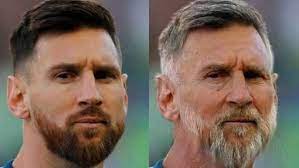
In today's digital world, image manipulation has become a popular pastime. With the help of photo editing apps, people can transform their images in creative and fun ways. One of the most intriguing effects that these apps can offer is photo aging. This way, you can get a surprising glimpse of what you or your friends might look like several decades from now.
Additionally, these apps can be a fantastic tool for artistic projects or for adding a nostalgic touch to your photos. So, if you're looking for an easy and effective way to add a special touch to your images, this list is for you.
Transform Your Memories with a Touch of Time
Under this aging effect, your photos are not only changed in terms of facial appearance. In effect, the apps also add textures and filters that replicate the conditions of old photos, adding a vintage charm that takes your images to a new dimension.
FaceApp
FaceApp is, without a doubt, one of the most popular apps when it comes to aging photos. With cutting-edge artificial intelligence technology, it delivers stunningly realistic results. In addition to aging, it also offers a variety of filters and effects for you to play around with. On the other hand, it is important to note that there have been controversies related to users' data privacy with this app.
Oldify
Oldify is another application that stands out on the market. With it, aging your photos is a simple and straightforward process. The app is known for its intuitive and easy-to-use interface. Additionally, Oldify allows users to see an animation of their transformation, which adds a fun touch to the experience.
AgingBooth
AgingBooth is an app that was developed specifically for aging photos. It's extremely easy to use: just upload your photo, adjust the markers and watch the magic happen. Additionally, AgingBooth allows users to share their aging images on social media directly from the app.
Make Me Old
Consequently, Make Me Old is a fun and simple option for anyone who wants to age their photos. This app offers multiple customization options, allowing users to adjust the degree of aging, add wrinkles, and change hair color. This way, you have more control over the final result of your photos.
Age Face – Make me OLD
Last but not least, Age Face – Make me OLD is an excellent choice for anyone who wants an all-in-one photo aging tool. This app not only ages your photos convincingly, but also offers several other editing tools to enhance your images. Therefore, it is a versatile option for all types of users.
What happens to your photo after you tap "apply"?“
There are two possible paths, and the difference between them is the most important point in this whole matter.
Node local processing, The calculation happens within the device itself. The photo doesn't leave the phone, the app works offline, and no one but you sees the image. Simpler effects—such as old photo texture, grain, yellowing, and wrinkles drawn over markings you position—are suitable for this model.
Node server processing, The photo is sent over the internet to a company computer, the effect is calculated there, and the result is returned to your screen. Any effect that relies on heavy artificial intelligence models tends to work this way because the calculation is too complex for the phone to perform on its own in a few seconds. This is the case for most convincing aging effects.
How do you know which one you're in? The most reliable test is to activate airplane mode and try applying the effect. If it works without a connection, the processing is local. If it gives an error asking for internet, your photo is being processed remotely.
There's nothing illegitimate about processing data on the server—that's how the technology works. What changes are the questions that become relevant: how long is that copy stored, who within the company can access it, will it be used to train new models, and what happens to it if you delete the account? These answers aren't in the pretty app store description: they're in the privacy policy and terms of use.
Face data is sensitive personal information: what Brazilian law guarantees you.
The General Data Protection Law classifies biometric data as sensitive personal data, This is a category with stricter protection than regular data. Facial images used to identify or characterize a person fall into this category—and that's exactly what an aging app processes.
In practice, this means that the company needs to have a clear legal basis for handling that image, informing in an accessible way who uses it and for how long it is kept. And it means that you have rights that are valid even after you have clicked "I agree":
- Confirmation and access. You can ask if that company processes your data and what kind of data it handles.
- Elimination. You can request that the data processed based on your consent be deleted.
- Revocation of consent. You can change your mind at any time, and that needs to be as easy as consenting was.
- Information about sharing. You can request a list of who has shared your data with.
- Customer service channel. The company should provide contact information for the person in charge of data processing, usually in its privacy policy.
An honest reminder is in order: exercising these rights against a company based outside of Brazil, without local representation and without a customer service channel in Portuguese, is more difficult in practice than on paper. This is yet another reason to check who developed the app before sending your face, and not after.
The licensing clause that almost nobody reads.
In the terms of use of applications that receive images, it is common to find a license clause. It usually states, in various words, that by submitting content you grant the company permission to use that image — often described as perpetual, irrevocable, worldwide, royalty-free, and transferable — to operate, promote, or improve the service.
This doesn't mean the company now owns your photo: you remain the copyright holder. But it does mean they can use it in ways you probably didn't imagine when you agreed, and revoking that permission later might not be easy.
What to search for, using the browser's own search function or PDF reader, within the following terms:
- The words license, perpetual It is irrevocable, to understand the scope of the authorization.
- Third parties It is partners, to find out if the image can be shared.
- Training or service improvement, which is how the use of your photo to enhance the models is usually described.
- Retention It is term, To find out how long the copy remains on the server after you close the application.
- Account deletion, To check if deleting the account also deletes the uploaded content—it doesn't always.
Permissions that a photo app doesn't need.
An image editor has a narrow function, and the list of permissions consistent with that function is short. It needs access to the photos you choose and, if you're taking a picture on the spot, the camera. End of story.
When an order appears that is not on this list, it's wise to be suspicious before accepting it:
- Contacts. There's nothing about aging a photo that depends on your schedule. That's the request that appears most often in apps that thrive on collecting data.
- SMS and call logs. There is no possible justification for the function. It's a classic request from malicious apps, because SMS messages carry verification codes.
- Precise location. Editing images doesn't depend on where you are.
- Accessibility. This Android feature exists to help people with disabilities and allows the system to read the screen and simulate touches. In the wrong hands, it's the most dangerous permission the system has.
- Device administrator. It grants management control over the device and makes uninstallation difficult. No photo editor needs that.
- Screen overlay. It allows you to draw on top of other applications. Some editors use it for widgets, but it's also the mechanism behind scams that mimic bank screens.
Two best practices conclude the matter. First: in recent versions of Android and iPhone, when requesting the gallery, it's possible to authorize... only the selected photos, Instead of the entire collection — always use this option. Second: after playing with the effect and showing it to friends, if you're not going to use it anymore, uninstall it. The installed application retains the permissions it was granted.
What the aging effect is not
One thing needs to be said, because the result is convincing and deceptive: This effect doesn't predict how you'll end up.. It applies statistical aging patterns learned from many images—sagging, wrinkles, changes in hair color—to your current face. There is nothing there about your genetics, your health, your habits, or your family history, which are precisely the factors that determine your real appearance thirty years from now.
It's not a health tool either. The result doesn't indicate biological age, doesn't suggest a diagnosis, and doesn't serve as any kind of medical evaluation. It's visual entertainment, and it's great at that.
Two final things to consider about what you send. Only send photos of other people with their consent — the joke might be funny for those in the group, but unpleasant for those who became the target of the joke without knowing it. And images of children require a step back: the LGPD (Brazilian General Data Protection Law) treats children's and adolescents' data with reinforced protection, and sending a child's face to an unknown server, for a few seconds, is a bad trade.
Read also
- How to record PC screen? Discover the best options
- Photo Collage on Your Phone: 5 Free Apps with Ready-Made Templates
- Photo Collage: 5 Apps for Beginners and Professionals
- Free Online Photo Editor: 5 Tools Without Installing Anything
- Recovering Deleted Photos: Step-by-Step Guide with 4 Apps
Frequently asked questions about photo aging apps
Is my photo stored on the company server?
It depends on the application. When the effect requires internet access, there is at least a temporary copy on the server. How long it remains stored is described in the privacy policy, in the data retention section—and that's the part worth reading before sending.
How do I ask them to delete my photo?
Look in the privacy policy for the contact information of the data protection officer or the support channel and make the request in writing, keeping a copy. Deleting the app from your phone does not delete anything from the server: they are different things.
Is it safe to log in to these apps with your social media account?
Logging in with an existing account avoids creating a new password, but it grants the app access to part of your profile and creates a link between the two services. If the app only allows you to use email, use that—and preferably a secondary email address. Reviewing the list of apps connected to your account afterward is a good habit.
Does the app work without internet?
Some do, when the effect is applied directly to the device. Test with airplane mode enabled: if the effect is applied normally, your image is not being sent anywhere.
Can I post an aged photo of a friend?
Ask beforehand. Images of identifiable people are personal data, and publishing them without authorization can lead to anything from embarrassment to legal action, especially if the result is ridiculed. In a commercial context, authorization is essential.
Does the result have any scientific basis?
Not in the sense of individual prediction. The model reproduces average aging characteristics learned from images, without any information about you beyond the photo itself. Treat it as a visual game, not a portrait of the future.
Conclusion
In short, aging photo apps offer a fascinating and fun way to visualize ourselves and others at different stages in life. Whether it's for a laugh with friends, an art project, or to satisfy curiosity, these tools have something to offer for everyone. Regardless of your reasons, these five apps provide a great starting point for exploring the world of aging photos in a creative and engaging way.